
How Modern Conservatory Roofs Are Built for the Winter
A conservatory should be a comfortable part of your home year-round, but older roofing systems can make that difficult. When temperatures drop, poorly insulated roofs let valuable warmth escape, leaving your conservatory cold even when the heating is on.
Modern conservatory roofs are designed to address these problems through improved insulation, high-performance glazing and weather-resistant construction. Whether you’re considering a replacement glass roof or upgrading to a solid tiled design, choosing the right system can make your conservatory a much more welcoming space during winter.
At Warwick Glass, we offer a range of replacement conservatory roofs designed to improve comfort, energy efficiency and the overall appearance of your home.
Why Do Older Conservatories Get So Cold in Winter?
Older conservatories often struggle to retain heat because their roofing materials provide limited insulation. Traditional polycarbonate roofs and older glazing systems can let warmth escape quickly, making the room difficult to heat in colder weather. Draughts, ageing seals and poorly insulated windows or doors can also contribute to uncomfortable temperatures.
Even when the heating is running, a poorly insulated conservatory may cool down quickly once the heating is switched off. Modern replacement conservatory roofs help tackle heat loss through improved construction and insulating materials, making it easier to maintain a comfortable indoor temperature.
How Do Modern Conservatory Roofs Improve Winter Insulation?
Modern conservatory roofs use improved glazing or insulated roofing materials to reduce heat transfer. This helps limit how much warmth escapes through the roof, making your conservatory easier to heat in winter. The level of insulation depends on the roofing system and its specification.
Insulated Tiled Conservatory Roofs
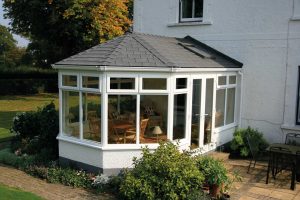
Tiled conservatory roofs feature a solid roofing structure with insulation beneath the external tiles. The insulation helps retain warmth, while the tiled finish gives the conservatory an appearance similar to a traditional home extension.
Warwick Glass offers tiled conservatory roofs that can achieve a U-value of 0.18 W/m²K. A U-value measures how easily heat passes through a building element, with lower figures indicating better insulation. A well-insulated tiled roof can reduce heat loss and make your conservatory more comfortable in colder weather.
High-Performance Glass Conservatory Roofs
Modern glass conservatory roofs use high-performance glazing to improve insulation while maintaining the bright, open appearance that makes conservatories so appealing. Warwick Glass offers insulated glass roofing systems featuring multiple panes of glass separated by an insulating gas-filled cavity. This construction helps reduce heat transfer compared with older, less efficient glazing. For homeowners who want to maintain natural light and garden views, a modern glass conservatory roof offers an alternative to a solid tiled design.
How Do Conservatory Roofs Protect Against Winter Weather?
Modern conservatory roofs are designed to withstand rain, wind and changing temperatures while helping prevent draughts and water ingress. High-quality roofing materials, effective seals and professional installation work together to create a weather-resistant structure. This is particularly important during winter, when persistent rain and strong winds can expose weaknesses in older roofing systems.
At Warwick Glass, we offer replacement conservatory roofs with modern sealing and weatherproofing features designed to help keep adverse weather outside. A properly installed replacement roof can also address damaged seals or draughty roofing components, although you should assess any underlying structural issues before installation.
Can a Modern Conservatory Roof Reduce Heating Costs?
A modern conservatory roof can help reduce heating demand by improving insulation and limiting heat loss. When less warmth escapes through the roof, the conservatory can retain heat for longer. This may reduce the energy needed to maintain a comfortable temperature during colder months. However, actual savings depend on the existing conservatory, the selected replacement roof, heating habits and the insulation provided by the surrounding windows, doors and walls. A replacement roof should therefore be considered as part of the conservatory’s overall thermal performance rather than a guaranteed way to eliminate heating costs.
Choosing the Right Conservatory Roof for Winter
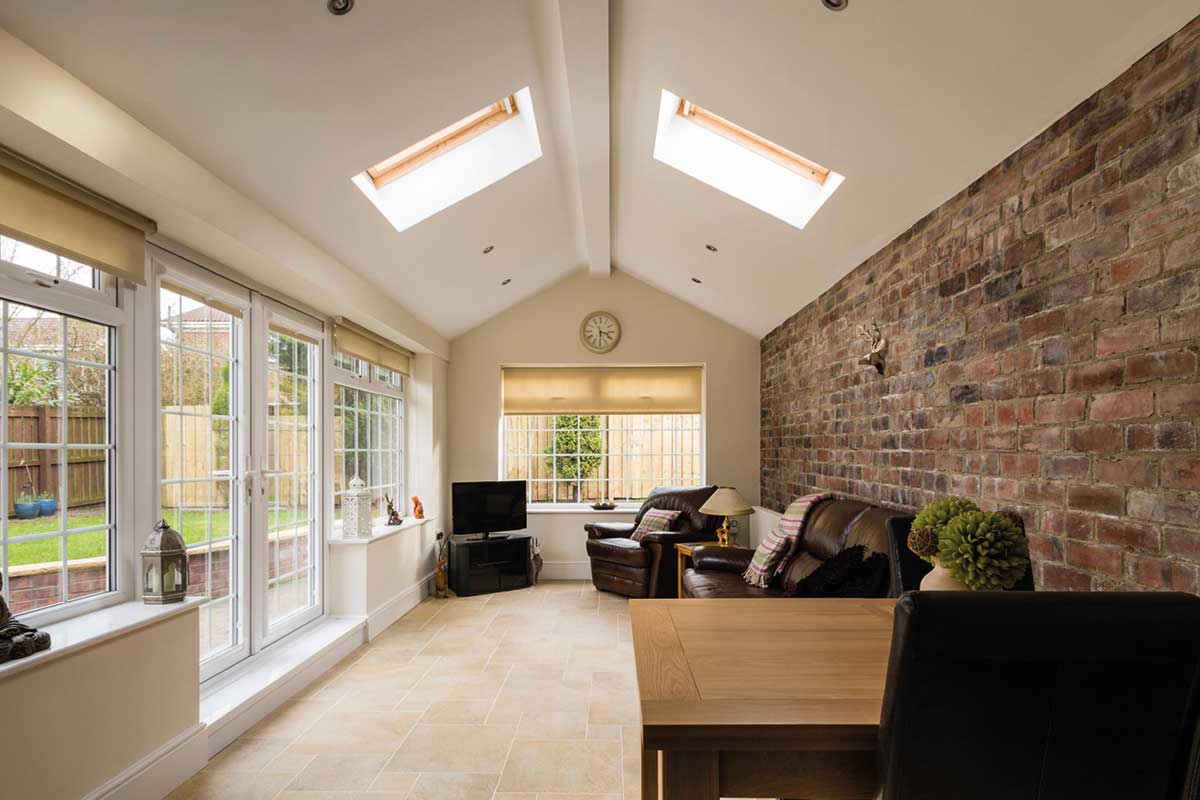
The right replacement conservatory roof depends on your priorities, your existing conservatory, and your preferred appearance. A tiled conservatory roof is worth considering if your main concern is improving insulation and creating a more enclosed, room-like environment. Insulated tiled designs can also incorporate roof windows to maintain natural light.
A modern glass roof may be more suitable if you want to preserve sky views and maximise daylight while improving the thermal performance of an older glazed roof. Before deciding, consider how you use your conservatory, how much natural light you want, and whether the existing structure suits your preferred roof system. At Warwick Glass, we offer a selection of glass and tiled conservatory roofs, helping homeowners choose a design that complements their property and requirements.
Enjoy Your Conservatory Throughout Winter
A modern conservatory roof can significantly improve how your conservatory performs during the colder months. Improved insulation, effective weatherproofing, and modern glazing help create a more comfortable space you can enjoy beyond summer. Whether you want to replace an outdated glass roof or upgrade to an insulated tiled system, Warwick Glass can help you explore your options.
Discover our range of modern conservatory roofs in Warwickshire, or contact our friendly team today to discuss your project and request a personalised quote.
Categories: Uncategorised